
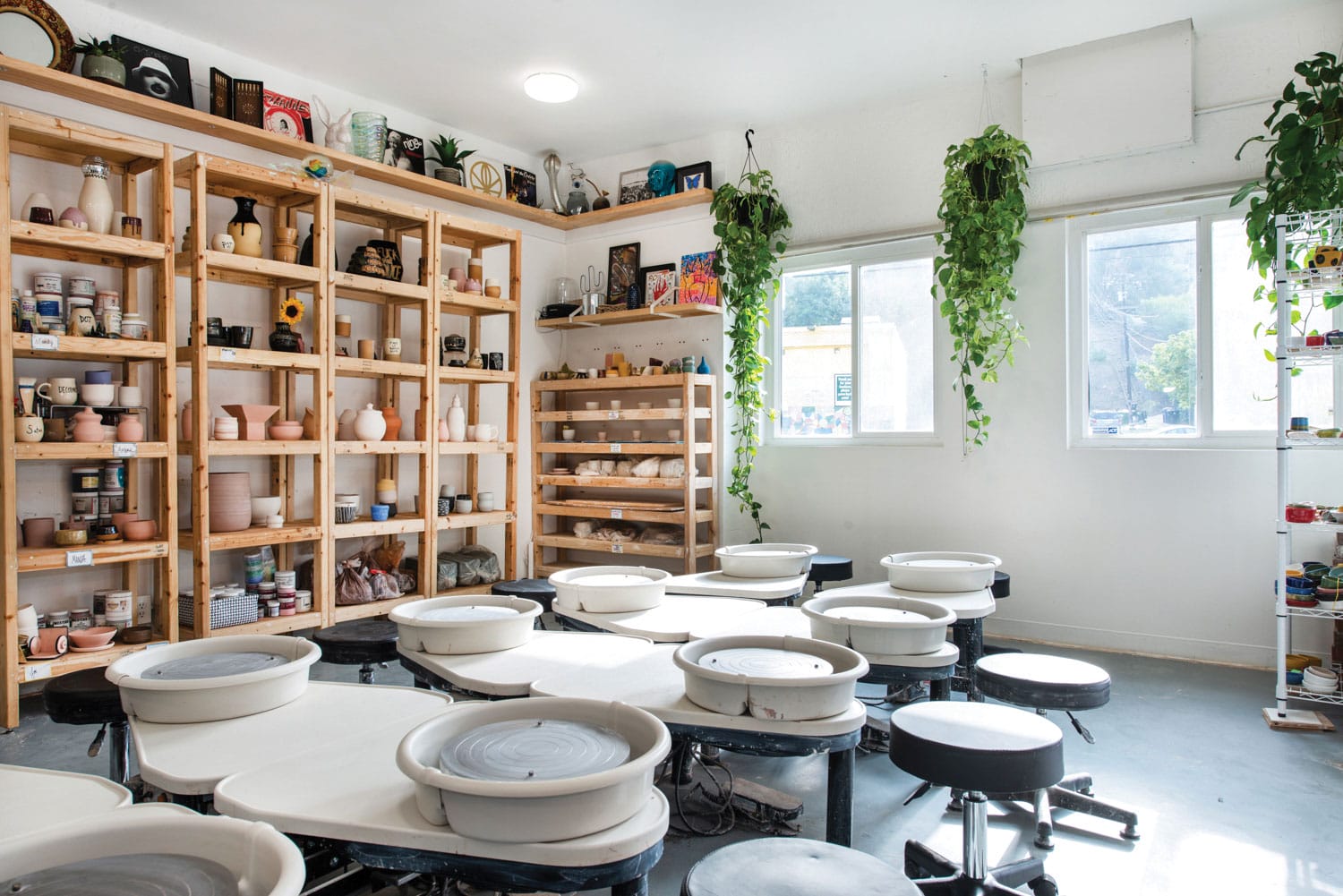
5 Best Pottery Studios in Bath – Find sessions for practical ceramic projects
Making a mug from clay and painting an already formed mug are different projects, with different teaching needs. The Little Clay Studio, Claybox Studio, Kate Marshall Ceramics, Liuying Ceramics and Crockadoodledo cover useful options for pottery studios in Bath and its surrounding area. Liuying is in nearby Peasedown St John; Crockadoodledo focuses on pottery painting. This selection keeps those distinctions visible, and its numbering is not a tested ranking.
1. The Little Clay Studio
The Little Clay Studio is in Weston Village and offers small classes, individual guidance and beginner or intermediate teaching. Its website confirms wheel access and bespoke group sessions. Choose it when you want to discuss what you hope to make before selecting a standard booking. For a first wheel session, describe the experience you want rather than demanding a precise finished shape. Learning how the clay responds is a different objective from producing a matching set of household pieces in one visit. [web:101]
2. Claybox Studio
Claybox Studio describes pottery classes for beginners and intermediate learners, one-to-one tuition and memberships for people confident working alone. It places itself about a mile from central Bath. That makes the distinction between teaching and independent access particularly useful. Start with a taught class if you need supervision; a membership is not automatically a beginner course with unlimited instruction. For an ongoing ceramic project, ask which stages you will handle yourself and which depend on the studio’s timetable and equipment. [web:107]
3. Kate Marshall Ceramics
Kate Marshall Ceramics is near Alexandra Park in the Bear Flat and Beechen Cliff area. Its website lists introductory ceramics lessons and multi-day courses alongside the maker’s own handcrafted work. Consider it when you want a project to develop over more than a brief taster. Explain the intended use of the piece before agreeing the class format. A decorative object and a drinking vessel raise different practical questions, so ask what the proposed teaching and finishing arrangements can support. [web:108]
4. Liuying Ceramics
Liuying Ceramics lists its address in Peasedown St John, outside Bath itself, and offers classes and beginner sessions. Its maker describes an interest in simple, practical ceramics. Include it if you can travel beyond the city and want to discuss a domestic object as your starting idea. The location matters for both the initial session and any later collection. Do not book under the impression that it is a city-centre studio. Ask whether your chosen project fits the available beginner session. [web:110]
5. Crockadoodledo
Crockadoodledo, at Lambridge Buildings in Larkhall, is a pottery-painting café rather than a substitute for a wheel-throwing course. It belongs here for people whose practical project centres on decorating an existing ceramic form. Pick this route when colour, pattern and personalisation matter more than forming the object yourself. If your goal is to learn how to build a handle or shape a bowl, choose a clay-making session elsewhere. Check the finishing and collection process before assuming the painted piece can leave with you immediately.
Follow the project beyond the session
Imagine booking a Bath pottery afternoon during a weekend visit. You may enjoy the making session but still need to arrange how the finished work reaches you later. Ask what the booking includes, what happens after you leave and whether collection or delivery is available. The handover is part of the project.
Pottery is closer to cooking something that must finish in another kitchen than to sketching in a notebook. The studio’s next steps matter. For a separate display-space project at home, home upgrade references is a domestic resource rather than a source about firing arrangements.
Choose one modest object as your first brief. A shallow dish gives you a clear idea to discuss without filling the session with several unrelated ambitions. home enhancement references fits the home setting where the piece might eventually live.
A practical decision rule is to choose the technique before the studio: decorating, handbuilding and wheel work should lead to different questions. If arranging your kitchen is a parallel task, home planning reading belongs to that home subject, not ceramic instruction.
But ask the tutor before treating a handmade piece as ready for a particular use. For room ideas around displaying decorative work, home diary references is another separate home-themed starting point.
FAQs
Can two friends work on one project?
Ask the studio. Bookings may allocate materials, equipment and teaching per person, even if you plan a shared object.
What should I wear?
Request the studio’s advice for your session. Choose clothing you are comfortable working in and do not mind getting marked.
Can I copy a vessel I already own?
Bring a photo as a discussion aid. Ask what can be attempted at your level rather than expecting a first lesson to produce an exact replica.
Is a voucher better than choosing a date?
For a gift, it gives the recipient more choice if the provider permits flexible booking. Check the terms before buying.
Agree the making and handover plan
Tell the studio what you want to learn, your experience level and how you will collect the work. Choose the session only after the technique and finishing arrangements are clear. Leave room for the first piece to be a learning project rather than a perfect kitchen set.