BMW Hybrid & Electric Servicing
BMW has developed a wide range of hybrid and electric vehicles for drivers who want performance, efficiency, and modern technology in one package. From plug in hybrid saloons and SUVs to fully electric i models, these vehicles combine traditional BMW driving qualities with advanced electrified systems. As more owners move towards hybrid and electric motoring, proper servicing has become increasingly important.
BMW Hybrid & Electric Servicing requires a different approach from conventional petrol or diesel maintenance. These vehicles use high voltage batteries, electric motors, charging systems, regenerative braking, cooling circuits, control modules, and software based energy management. Some models also include combustion engines, which means traditional servicing still remains part of ownership. Understanding both sides of the vehicle is essential for long term reliability.
Hybrid BMW models combine an internal combustion engine with electric drive assistance. Plug in hybrids can travel on electric power for shorter journeys, while the engine supports longer trips or higher performance demands. Fully electric BMW vehicles use battery power only, with electric motors delivering torque directly to the wheels. Both systems require careful inspection and correct diagnostic procedures.
The high voltage battery is one of the most important components in any hybrid or electric BMW. It affects range, charging speed, performance, and resale value. Battery condition can change over time depending on mileage, charging habits, temperature exposure, and driving style. Servicing may include battery health checks, state of charge assessment, cell balance monitoring, cooling system inspection, and diagnostic scanning.
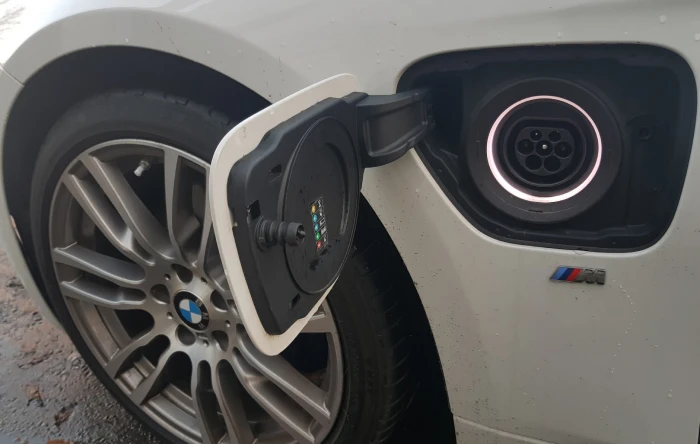
Charging system reliability is another key area. Plug in hybrid and electric vehicles depend on onboard chargers, charging ports, cables, control modules, and software communication. Charging faults may appear as slow charging, interrupted charging, warning messages, or failure to recognise a charger. These symptoms should be inspected early because charging issues can affect daily usability.
Thermal management is critical for electrified vehicles. Batteries, inverters, electric motors, and power electronics must operate within safe temperature ranges. Cooling pumps, coolant circuits, radiators, temperature sensors, and control software all contribute to heat regulation. If thermal management fails, the vehicle may reduce performance to protect components. Regular checks help protect battery life and system efficiency.
Regenerative braking is one of the most noticeable features of hybrid and electric driving. This system recovers energy when the vehicle slows down and sends it back to the battery. While regenerative braking reduces wear on traditional brake parts, it does not remove the need for brake servicing. Pads and discs can still corrode or wear unevenly, especially if the friction brakes are used less often. Brake fluid also needs regular replacement because it absorbs moisture over time.
Hybrid BMW models still need engine servicing. Even if the petrol engine is used less frequently, engine oil ages, filters become dirty, spark plugs wear, and fuel systems require care. Short electric journeys may mean the engine runs intermittently, which can increase condensation and oil contamination in some cases. Regular servicing protects the combustion side of the drivetrain.
Electric BMW vehicles have fewer traditional engine service items, but they still need maintenance. Tyres, suspension, brakes, cooling systems, cabin filters, software, steering components, and battery systems all require inspection. Electric vehicles are often heavier because of battery packs, so tyre and suspension wear should be monitored carefully.
Tyre condition is especially important on hybrid and electric BMW models. Instant torque can place additional stress on tyres, while vehicle weight can influence wear patterns. Correct tyre pressure affects range, braking, comfort, and handling. Uneven wear may indicate alignment issues or suspension problems.
Software plays a major role in electrified BMW vehicles. Control modules manage battery charging, energy recovery, motor output, climate control, safety systems, and driving modes. Software updates may improve charging behaviour, range estimates, system reliability, or user interface functions. Diagnostic checks can reveal stored faults that may not yet be obvious to the driver.
High voltage safety procedures are essential during servicing. Hybrid and electric vehicles can be dangerous if handled incorrectly. Proper isolation, protective equipment, insulated tools, and voltage verification may be required before certain work can be carried out. This is one of the reasons electrified vehicles need trained handling rather than general maintenance alone.
Common warning signs include reduced electric range, slow charging, charging interruptions, warning lights, unusual brake feel, cooling fan noise, reduced performance, or increased fuel use in hybrid models. Some drivers may also notice that the vehicle switches between petrol and electric power differently from usual. These signs should be checked before they become more serious.
Climate control is another important service area. Heating and cooling can affect electric range, especially in cold or hot weather. Some BMW electric vehicles use heat pump systems to improve efficiency. Cabin filters, refrigerant levels, sensors, and heating components should all be inspected as part of regular maintenance.
Suspension inspection is also important. The added weight of hybrid batteries or electric battery packs can increase stress on bushes, dampers, control arms, and tyres. A change in ride comfort, knocking noises, uneven tyre wear, or unstable handling should be investigated quickly.
For plug in hybrid owners, charging habits also influence long term battery performance. Regular charging, avoiding unnecessary deep discharge, and using suitable charging equipment can support battery health. Servicing gives owners a chance to assess whether the vehicle is charging and operating as expected.
Service history is particularly valuable for hybrid and electric vehicles. Buyers often want evidence that battery health, software updates, charging systems, brakes, and high voltage components have been inspected properly. A clear maintenance record can support resale confidence and show that the vehicle has been cared for correctly.
BMW Hybrid & Electric Servicing should focus on complete vehicle health, not only the battery. A strong service approach checks the electric drivetrain, braking system, tyres, suspension, software, thermal management, and combustion engine where fitted. This gives a more accurate picture of the vehicle’s condition and helps owners plan maintenance sensibly.
Preventative maintenance is often more cost effective than waiting for faults. A small cooling issue can affect battery performance. Weak 12 volt batteries can trigger electronic warnings. Brake corrosion can become expensive if ignored. Charging problems can reduce usability. Regular inspection helps identify these issues early.
In conclusion, BMW hybrid and electric vehicles combine advanced technology with the brand’s focus on performance and comfort. Their servicing needs are different from conventional vehicles and require a careful understanding of high voltage systems, software, batteries, charging equipment, regenerative braking, and traditional mechanical components. Regular maintenance helps protect range, safety, efficiency, resale value, and long term reliability. As electrified vehicles become more common, proper servicing will remain essential for keeping them performing as intended.